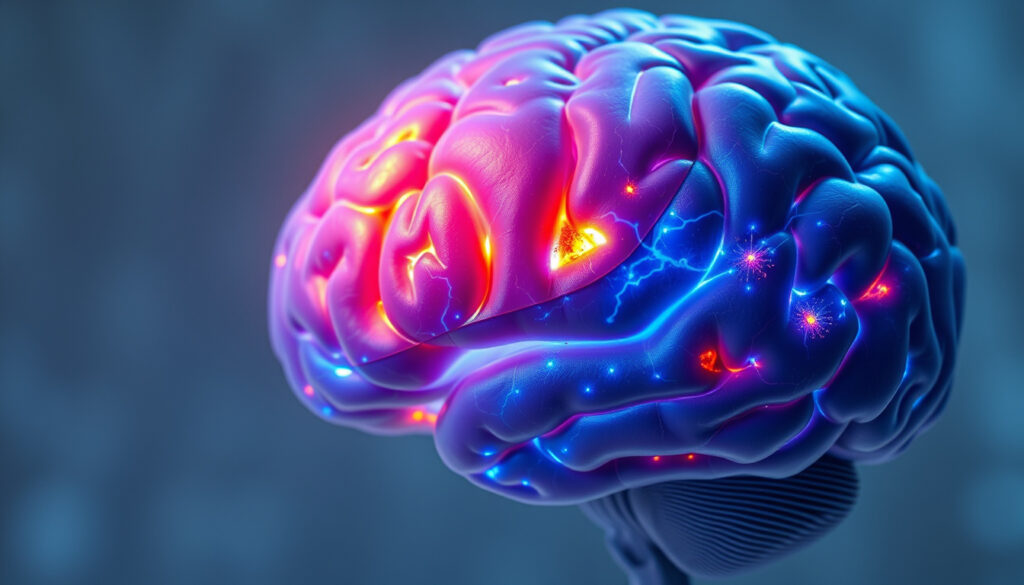
What Is MS? Multiple Sclerosis Symptoms, Causes, and Life Expectancy
Imagine your body’s own defense system mistaking your nerve insulation for an invader. That’s the core of multiple sclerosis (MS), a condition that disrupts how your brain talks to the rest of you.
People with MS worldwide: 2.8 million ·
Typical age of onset: 20–40 years ·
Average life expectancy reduction: 5–10 years ·
Hereditary risk (first-degree relative): 2–5% ·
Most common symptom (fatigue): affects ~80% of patients
Quick snapshot
- Autoimmune disorder targeting myelin in the CNS (Mayo Clinic (leading academic medical center))
- Affects brain, spinal cord, and optic nerves (Cleveland Clinic (top-ranked hospital))
- No cure exists; disease-modifying therapies reduce relapses (National Institute of Neurological Disorders and Stroke (U.S. government agency))
- Exact trigger for initial immune attack remains unknown (Mayo Clinic)
- Why disease progression varies widely between individuals (Houston Methodist (research hospital))
- Role of specific diets and exercise in modifying course (National MS Society)
- Global prevalence rose from 2.3 million in 2013 to 2.8 million in 2020 (Multiple Sclerosis International Federation (global umbrella))
- Diagnosis typically occurs between ages 20 and 40 (Houston Methodist)
- Women are three times more likely to develop MS than men (Houston Methodist)
- Newer oral and infusion therapies continue to improve relapse reduction (NINDS)
- Research into remyelination and neuroprotection is accelerating (National MS Society (research funding body))
- Personalized treatment plans based on biomarkers are emerging (Cleveland Clinic)
Five key facts, one pattern: MS is a chronic autoimmune condition of the central nervous system with no cure, yet treatment advances are extending both lifespan and quality of life.
The following table summarizes core facts about MS.
| Label | Value |
|---|---|
| Type | Autoimmune disease |
| Affected area | Central nervous system (brain, spinal cord, optic nerves) |
| Prevalence | 2.8 million worldwide |
| Typical age of onset | 20–40 years |
| Life expectancy reduction | 5–10 years compared to general population |
What does MS do to a person?
What is multiple sclerosis?
Multiple sclerosis is a disease where the immune system attacks the protective covering of nerve cells — the myelin sheath — in the brain, spinal cord, and optic nerves (Mayo Clinic (leading academic medical center)). This damage disrupts communication between the brain and the rest of the body, leading to a wide array of symptoms that can come and go or worsen over time (National Institute of Neurological Disorders and Stroke (U.S. government agency)).
How does MS affect the nervous system?
The myelin damage slows or blocks electrical signals traveling along nerves. Over time, the nerve fibers themselves can suffer permanent damage (Mayo Clinic). The specific symptoms depend on which part of the CNS is affected — whether it’s the optic nerve causing vision problems, the spinal cord leading to weakness and numbness, or the brain affecting cognitive function (Cleveland Clinic (top-ranked hospital)).
For someone newly diagnosed, the unpredictability of MS attacks can feel overwhelming. But knowing that symptoms reflect specific locations of nerve damage helps both patients and doctors target treatment and lifestyle adjustments more precisely.
The implication: MS is not one disease with one symptom — it’s a spectrum of inflammation that demands personalized monitoring and care.
What are 5 symptoms of MS?
What are the early signs of MS?
- Vision changes — blurred vision, double vision, or temporary vision loss from optic neuritis (Cleveland Clinic)
- Numbness or tingling in limbs (Mayo Clinic)
- Persistent fatigue that interferes with daily activities (Mayo Clinic)
- Muscle weakness, especially in legs (Mayo Clinic)
- Dizziness and balance problems (Mayo Clinic)
What are the most common symptoms?
Beyond the early signs, many people with MS experience bladder and bowel dysfunction, cognitive difficulties (memory, concentration, problem-solving), mood changes such as depression or irritability, and trouble walking (Cleveland Clinic). Speech can become slurred, and sexual function may decline (Mayo Clinic).
Because symptoms vary so much, MS is sometimes misdiagnosed as other neurological conditions. A person might have only one symptom initially — say, temporary blurred vision — and not realize it’s the start of a lifelong autoimmune process.
The pattern: MS symptoms cluster into physical, sensory, and cognitive categories, but no two patients share exactly the same combination. That variability is both the challenge and the reason treatment must be individualized.
What triggers MS to start?
What causes multiple sclerosis?
The exact cause of MS is not fully understood, but researchers believe it involves a combination of genetic susceptibility and environmental triggers (Mayo Clinic). The immune system’s attack on myelin appears to be driven by an abnormal response — possibly activated by an infection in someone genetically predisposed (NINDS).
Is MS hereditary?
MS is not directly inherited, but there is a hereditary component. Having a first-degree relative with MS raises the risk to about 2–5%, compared to roughly 0.1% in the general population (National MS Society (patient advocacy and research)). Several genes are associated with immune regulation, each contributing a small increase in risk.
What age does MS usually start?
MS can occur at any age, but most people are diagnosed between 20 and 40 years old (Houston Methodist (research hospital)). It is about three times more common in women than in men (Houston Methodist).
Environmental factors such as low vitamin D levels, smoking, and infection with the Epstein-Barr virus have been linked to increased risk (Mayo Clinic). The geographical gradient — higher prevalence in temperate climates — also points to an environmental influence (National MS Society).
Why this matters: Knowing that MS is triggered by a mix of genetics and environment means prevention is not straightforward, but risk factors like smoking and vitamin D deficiency are modifiable — and that gives people some agency.
Can you live normal life with MS?
What is the life expectancy of people with MS?
On average, life expectancy for people with MS is 5 to 10 years shorter than the general population (National MS Society). However, many people live a normal or near-normal lifespan, especially with modern disease-modifying therapies (Mayo Clinic). The leading causes of reduced longevity are complications such as severe infections, respiratory problems, and suicide — all of which can be mitigated with good medical and mental health support (NINDS).
What is the prognosis for MS?
Most people with MS start with a relapsing-remitting course — episodes of symptoms followed by partial or full recovery. Over time, many transition to secondary progressive MS, where disability gradually accumulates. A smaller group has primary progressive MS from the start (Cleveland Clinic). Prognosis depends on subtype, age at onset, frequency of relapses, and how well treatments control inflammation.
The trade-off: With early and aggressive treatment, many people maintain mobility, work, and family life for decades. But the unpredictability of relapses and the possibility of progression mean that “normal” looks different — it requires accommodation, support, and resilience.
How is MS diagnosed?
What diagnostic tests are used?
Diagnosis is based on a combination of clinical history, neurological examination, MRI scans to detect lesions in the brain and spinal cord, and sometimes a lumbar puncture (spinal tap) to look for abnormal immune markers in cerebrospinal fluid. Evoked potential tests measure electrical signals in the nerves (NINDS (U.S. government agency)).
What are the treatment options for MS? Can MS be cured?
There is no cure for MS, but disease-modifying therapies (DMTs) can reduce the frequency and severity of relapses, slow the accumulation of disability, and limit new brain lesions (Mayo Clinic (leading academic medical center)). Treatment also includes managing acute relapses with corticosteroids, physical therapy, occupational therapy, and medications for specific symptoms like spasticity, pain, fatigue, and bladder dysfunction (Cleveland Clinic). Lifestyle measures — exercise, diet, stress management — also play a supportive role.
What this means: While MS cannot be cured, the therapeutic landscape has transformed over the past two decades. For a person diagnosed today, the chances of living a full, active life are far higher than for someone diagnosed in the pre-DMT era.
Clarity & uncertainty
Confirmed facts
- MS is an autoimmune disorder attacking myelin (Houston Methodist)
- Myelin damage causes the range of neurological symptoms (Mayo Clinic)
- No cure exists; DMTs reduce relapses and progression (NINDS)
- Women affected three times more often than men (Houston Methodist)
What’s unclear
- Exact trigger for the first immune attack (Mayo Clinic)
- Why progression speed varies between individuals (Houston Methodist)
- Whether diet, exercise, or supplements can meaningfully alter the disease course (National MS Society)
Perspectives from leading medical organizations
“Multiple sclerosis is a disorder in which the body’s immune system attacks the protective covering of nerve cells in the brain, optic nerve, and spinal cord.”
– Mayo Clinic
“Multiple sclerosis (MS) is a chronic neurological disorder. It’s an autoimmune disorder, meaning that in MS, the immune system — which normally helps protect the body — attacks healthy tissues.”
– National Institute of Neurological Disorders and Stroke (NINDS)
Takeaway: Living with MS today
For someone diagnosed with MS, the combination of early DMTs, symptom management, and a supportive care team can keep life on track for decades. The disease does not define the person, but it does demand attention. For patients in the U.S. or Australia, the choice is clear: build a partnership with a neurologist who specializes in MS, explore the growing range of therapies, and invest in lifestyle habits that protect both physical and mental health — because ignoring early signs or delaying treatment carries the risk of irreversible nerve damage.
mscare.org, rarediseaseadvisor.com, mstrust.org.uk, drgretchenhawley.com
Frequently asked questions
Does MS affect pregnancy?
Many women with MS have healthy pregnancies. Relapse rates often decrease during pregnancy, especially in the third trimester, though they may increase in the first few months after delivery. Disease-modifying therapies are typically paused during pregnancy; a neurologist should be consulted (National MS Society).
Is MS painful?
Yes, pain is common. It can be neuropathic (nerve pain), such as burning, tingling, or sharp sensations, or musculoskeletal from muscle spasticity and poor posture. Treatment includes medications, physical therapy, and sometimes nerve blocks (Mayo Clinic).
Can exercise help MS symptoms?
Regular exercise can improve strength, balance, mood, and fatigue in people with MS. Low-impact activities like swimming, cycling, and yoga are often recommended. Overheating can temporarily worsen symptoms, so cooling strategies are important (National MS Society).
What is the difference between relapsing-remitting and progressive MS?
Relapsing-remitting MS (RRMS) involves clear episodes of symptoms followed by recovery. Progressive forms accumulate disability steadily over time, with or without relapses. Most people with RRMS eventually develop secondary progressive MS (Cleveland Clinic).
Are there alternative treatments for MS?
Some people try complementary approaches like vitamin D, omega-3 fatty acids, or medical cannabis for symptom relief. Evidence is mixed; the only proven treatments for modifying disease course are FDA-approved DMTs. Always discuss supplements with a doctor to avoid interactions (NINDS).
How does MS affect mental health?
Depression, anxiety, and mood swings are common in MS — both from the disease’s effect on the brain and from coping with a chronic condition. Cognitive changes include slowed processing, memory lapses, and difficulty multitasking. Psychological support and medication can be effective (Mayo Clinic).
Is there a diet recommended for MS?
No single diet is proven to cure or reverse MS, but many experts recommend a Mediterranean- or Swank-style diet rich in fruits, vegetables, lean protein, and healthy fats. Avoiding processed foods and maintaining a healthy weight may help reduce inflammation and fatigue (National MS Society).
More related posts
 2025 World Series: Dodgers Repeat as Champions | Series Results
 Marty McFly: Character, Diagnosis, and Legacy Guide
 Jimmy Butler: ACL Injury, Warriors Trade & Personal Life
 Oz Lotto Winner $20 Million: First Steps & Mistakes to Avoid
 Somebody That I Used to Know – Gotye Kimbra Hit Explained
 Greg Page Wiggles: Why He Left and His Health Story
 Zim vs NZ 2025: Results, Scores & Head-to-Head
 Native Australian Plants – Best for Shade and Dry Gardens
